UNICEF Innovation Fund
Shelter × AidLink: Blockchain-Powered Humanitarian Cash Transfers for UNICEF
How Xcapit's Shelter disbursement engine enabled UNICEF to deliver transparent, traceable humanitarian cash transfers to 319 beneficiaries in Peru and Kenya — with 100% completion rate and SMS wallets for feature phones.
Beneficiaries reached
Completion rate
Countries piloted
Partner pipeline
The Challenge
Humanitarian cash transfer programs are one of the most effective forms of aid — but the infrastructure behind them is often slow, expensive, and opaque. Intermediary banks and payment providers take a significant cut, settlement can take days, and donors have limited visibility into whether funds actually reach beneficiaries.
UNICEF's Innovation Office set out to solve this through AidLink: a blockchain-based pipeline that could register beneficiaries, disburse funds via smart contracts, and deliver value through local mobile money networks — all with full on-chain traceability. The system needed to work in regions with unreliable internet, support configurable disbursement rules, and provide real-time tracking for program managers and donors.
AidLink Architecture
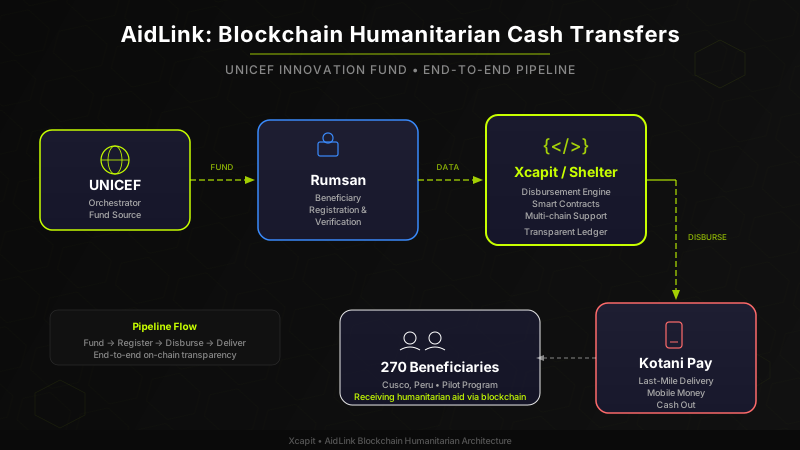
AidLink is a three-partner pipeline, each handling a distinct stage of the humanitarian cash transfer lifecycle:
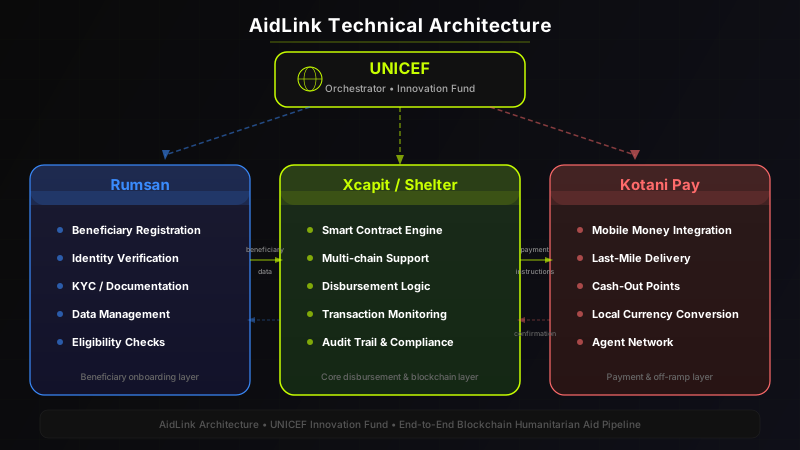
- Rumsan — Beneficiary registration, identity verification, and enrollment management. Rumsan's platform ensures that every recipient is verified before funds are committed.
- Xcapit / Shelter — The smart contract disbursement engine. Shelter receives approved beneficiary lists, executes on-chain disbursements according to configurable rules, and provides real-time transaction tracking.
- Kotani Pay — Last-mile mobile money delivery. Kotani Pay converts on-chain stablecoins into local mobile money, enabling beneficiaries to receive and spend funds using their existing mobile wallets.
Shelter: Xcapit's Disbursement Engine
Shelter is the core disbursement layer of AidLink, designed and built by Xcapit. It is a multi-chain smart contract system that manages the full lifecycle of humanitarian fund distribution — from fund allocation to individual beneficiary disbursement to real-time reporting.
Multi-Chain Smart Contracts
Shelter's smart contracts are deployed on EVM-compatible networks, starting with Celo for its low transaction costs and mobile-first design philosophy. The contracts handle batch disbursements, enforce configurable rules (amount limits, frequency caps, eligibility criteria), and emit granular events for every transaction — enabling full auditability.
Configurable Disbursement Rules
Humanitarian programs vary widely in their distribution logic. Shelter supports configurable parameters including per-beneficiary amount limits, disbursement schedules, geographic targeting, and conditional release triggers. Program managers can adjust these rules without redeploying contracts, giving them the flexibility to adapt to changing field conditions.
Real-Time Tracking
Every disbursement is recorded on-chain and surfaced through a real-time dashboard. Program managers can see exactly which beneficiaries received funds, when, and how much — eliminating the reporting delays that plague traditional aid pipelines. Donors gain unprecedented transparency into how their contributions are being used.
Cusco Pilot: Proof at Scale
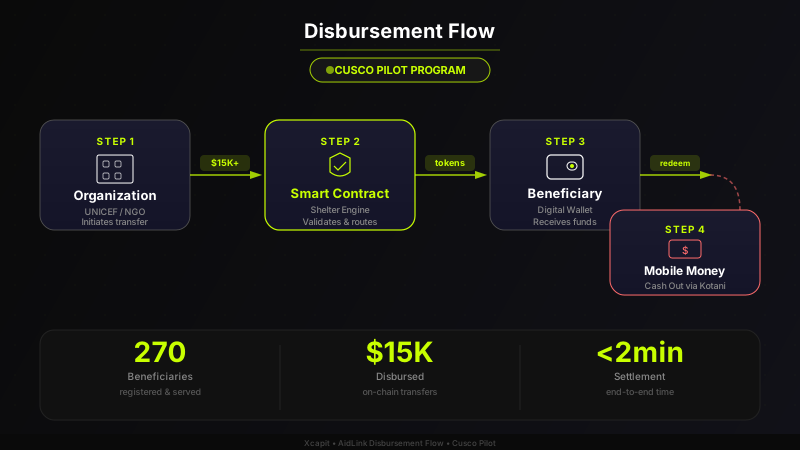
The AidLink pipeline was validated through a pilot in Cusco, Peru, distributing humanitarian cash transfers to 270 beneficiaries. The pilot demonstrated the full end-to-end flow: beneficiary registration via Rumsan, smart contract disbursement via Shelter, and last-mile delivery via Kotani Pay.
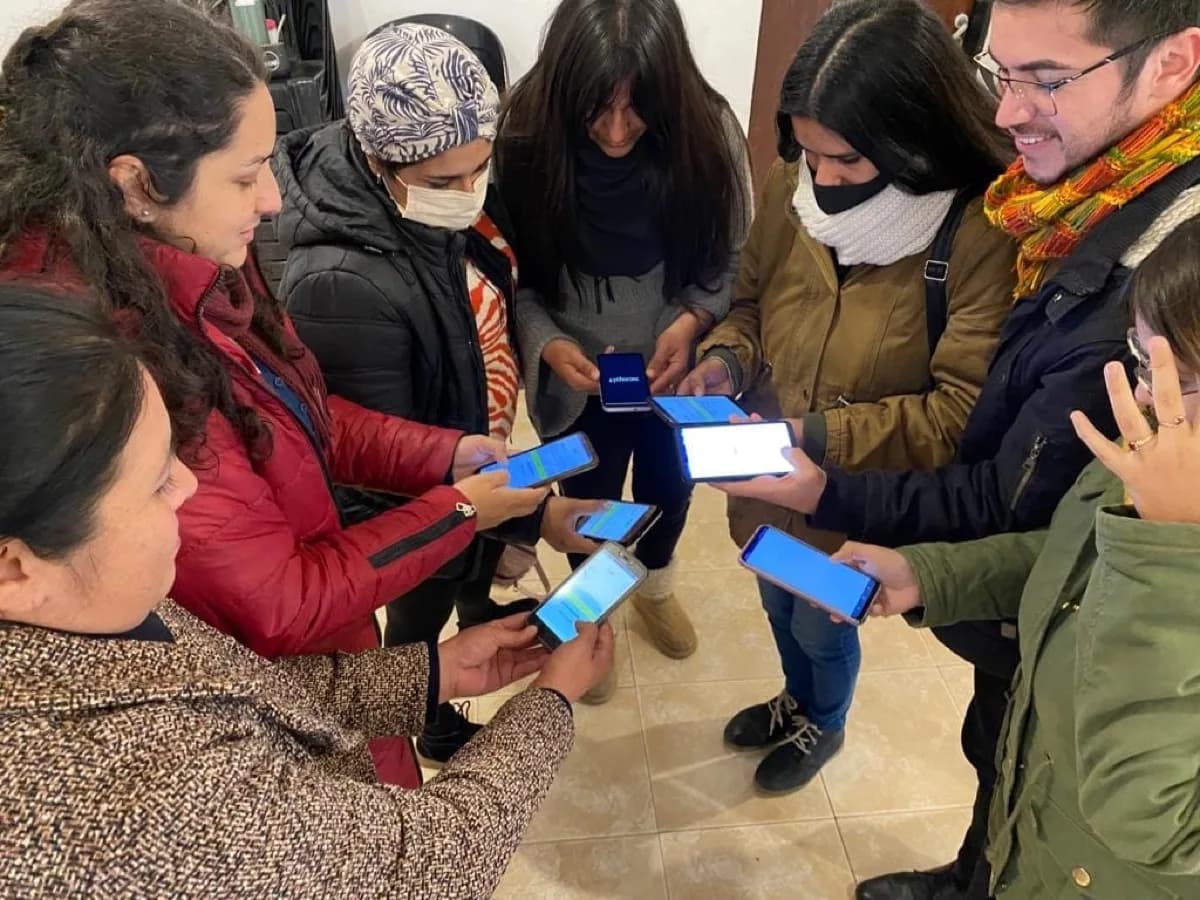
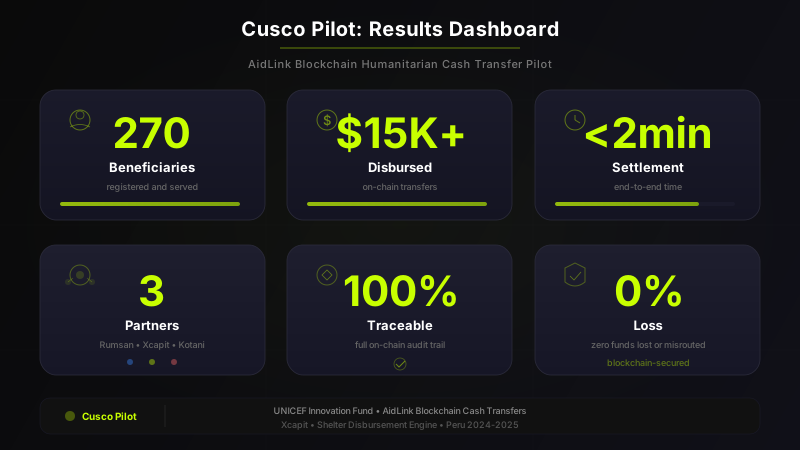
Key pilot metrics included over $15,000 distributed to 270 verified beneficiaries, settlement times of under 2 minutes per transaction (compared to days in traditional systems), full on-chain traceability for every dollar disbursed, and near-zero transaction fees thanks to Celo's efficient network.
Results & Impact
The Cusco pilot proved that blockchain-based humanitarian cash transfers can be faster, cheaper, and more transparent than traditional methods. Settlement times dropped from days to under 2 minutes. Transaction costs fell to near zero. And for the first time, donors and program managers had real-time, granular visibility into fund flows — from treasury to beneficiary.
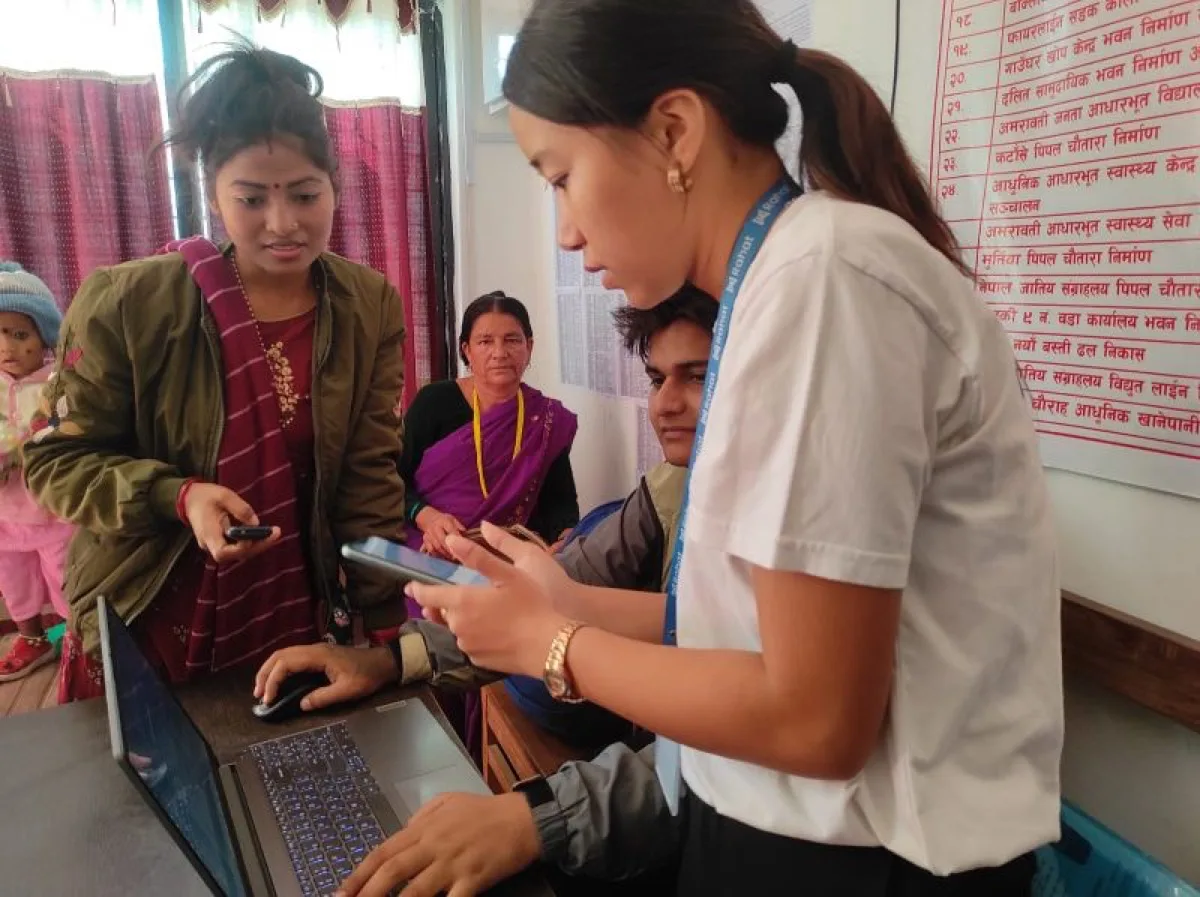
The success of the pilot positioned AidLink as a scalable model for humanitarian cash transfers globally. The modular architecture — with separate partners handling registration, disbursement, and delivery — means each component can be improved or replaced independently, making the system adaptable to different contexts and regions.
Kenya Pilot: Stablecoins via SMS Wallet
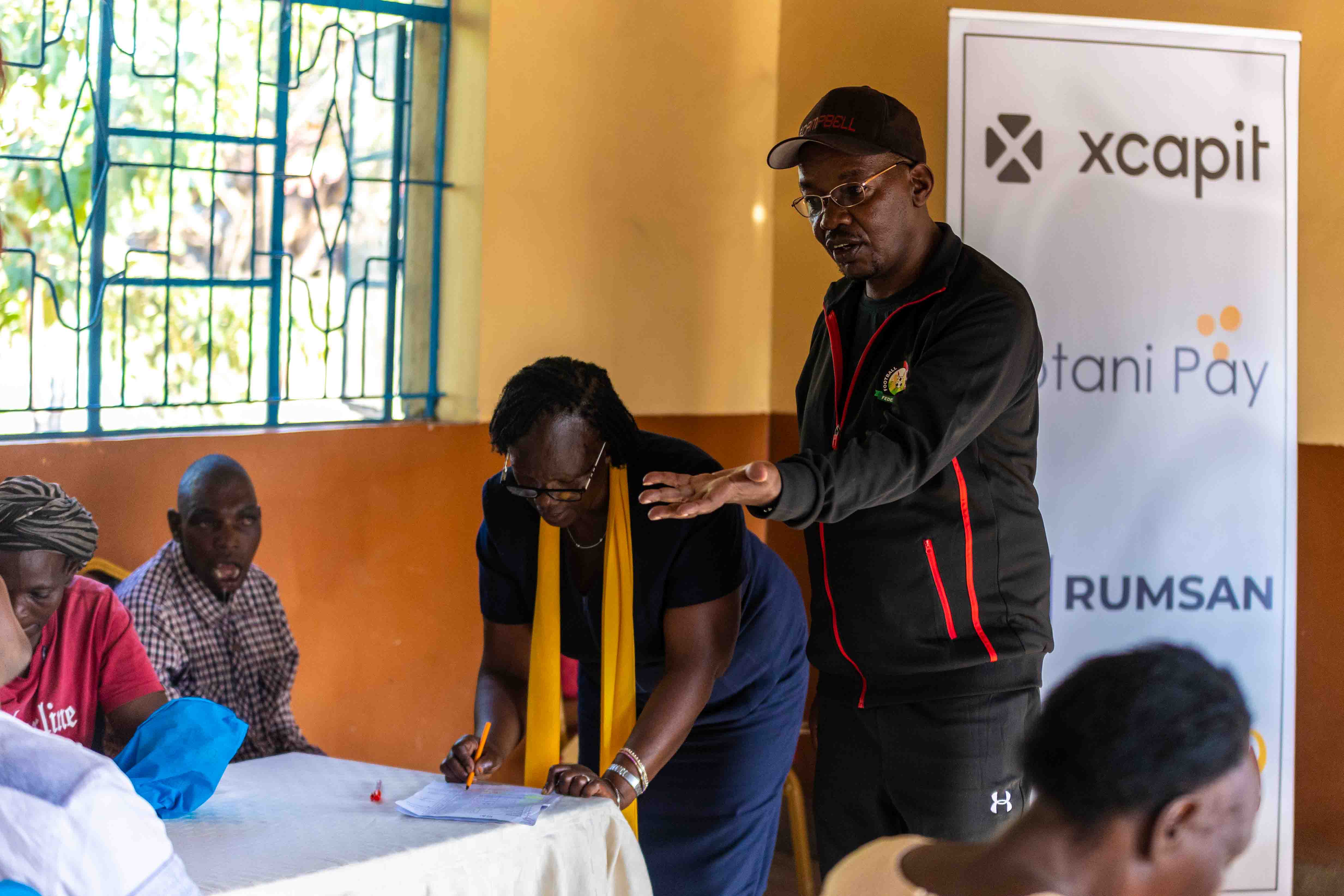
In December 2025, AidLink expanded to Kenya with a second pilot in the Greater Nairobi Metropolitan Region. 49 beneficiaries with varying levels of intellectual disability — identified by local NGO Advantage Africa — received 65 USDC each and successfully converted them to Kenyan shillings via M-Pesa. Completion rate: 100%.
The most innovative component of the pilot was Xcapit's SMS wallet: a text command-based interface that enables feature phone users (no smartphone) to receive and manage stablecoins without apps, without internet, and without blockchain knowledge. The beneficiary receives an SMS, sends a command, and receives shillings directly in M-Pesa.
- 49 beneficiaries received 65 USDC each — 100% disbursement and off-ramp
- 79.6% of transactions completed seamlessly (average: 19 minutes)
- Fastest transaction: 1 minute from receipt to M-Pesa cash-out
- Public dashboard on Dune Analytics for independent on-chain verification
- Personal data never stored on-chain — full transparency over funds, full privacy over people
The Kenya pilot validated that AidLink's infrastructure works in a completely different context from Cusco — different continent, different currency, different mobile money system, and beneficiaries with specific accessibility needs. Results were officially published by UNICEF Venture Fund in March 2026.
Testimonials
"Congratulations to Xcapit for their excellent work. Their technology is bringing digital assets closer to those who need them most, helping UNICEF Innovation bring the benefit of technology to the last mile." — Shane O'Connor, Innovation Manager, UNICEF
"Operating in real humanitarian settings highlighted challenges related to infrastructure, connectivity, and coordination. These experiences reinforced that technology must remain simple, flexible, and context-aware, underscoring the importance of modular design and iterative testing." — José Trajtenberg, CEO, Xcapit
Key Takeaways
- 319 beneficiaries reached across 2 countries (Peru and Kenya) with 100% completion rate
- SMS wallet enables stablecoin transfers from feature phones — no apps or internet needed
- On-chain traceability gives donors and program managers real-time visibility into every dollar distributed
- A modular three-partner architecture allows each pipeline stage to be optimized independently
- Infrastructure proven in the hardest contexts: intellectual disability, feature phones, low connectivity
- Public Dune Analytics dashboard for independent verification and auditing
Building regulated financial products?
From digital wallets to tokenized collateral and secure platforms, we build fintech systems designed for production.
More Case Studies
UNICEF Innovation Fund
UNICEF Digital Wallet: Financial Inclusion for 4M+ People
How Xcapit built a blockchain-based digital wallet that reached 4M+ people across 167+ countries as part of the UNICEF Innovation Fund — recognized as a Digital Public Good by the DPGA.
Confidential
Bonum: Digital Corporate Benefits Platform
How Xcapit Labs designed and developed a closed-loop digital wallet that transforms corporate benefits management, creating a virtuous economic cycle in local communities.
Xcapit Labs
Xcapit Privacy: Machine Learning Without Seeing Your Data
How Xcapit Labs built a platform that enables collaborative machine learning on fully encrypted data using Fully Homomorphic Encryption (FHE), so organizations can train AI models together without ever exposing their sensitive information.
Interested in Similar Results?
Let's discuss how we can apply similar solutions to your challenges.